SRP Rate Increase: What East Valley Homeowners Need to Know
SRP already raised rates, and the change is on your bill now. Here is exactly what SRP raised, who decided it (SRP’s elected board, not the state), why your bill keeps climbing, and the one move that takes most of your cost off the utility’s rate sheet for good.
Reviewed May 2026 · Sources cited throughout and listed at the bottom.
The SRP rate increase: the bottom line
- SRP already raised rates about 2.4%. For a normal home that is about $5.61 more a month.
- It is already in effect. It started with the November 2025 bill, so it is on your bill now.
- SRP’s elected board sets these prices, not the state. SRP is a community-owned power company.
- Solar locks in your power cost. So a future SRP rate hike only hits the small part of power you still buy.
SRP rate increase: key facts at a glance
- What SRP raised
- A 2.4% overall price increase (about $169 million a year in extra base revenue).
- Typical bill impact
- About $5.61 more per month for an average home using about 1,117 kWh.
- Fixed charge
- The fixed monthly charge for single-family homes also went up.
- Who decided it
- SRP’s elected board of directors, not the Arizona Corporation Commission.
- Where it stands
- Approved February 27, 2025. Already in effect since the November 2025 billing cycle.
- Solar rate plans
- SRP uses special rate plans for solar customers, many of them demand-based.
Status: already in effect
This is not a pending request. SRP’s elected board approved the 2.4% increase on February 27, 2025, and it took effect with the November 2025 billing cycle. It is on your bill right now.
What SRP raised, and who decides
Short answer: SRP raised rates about 2.4% overall, which took effect with the November 2025 billing cycle. That is roughly $5.61 more per month for an average home using about 1,117 kWh, and about $169 million a year in extra base revenue for SRP. The fixed monthly charge for single-family homes also went up. SRP’s elected board voted on it, not the state.
On February 27, 2025, SRP’s elected board of directors voted to raise prices. The increase was about 2.4% overall, which adds up to about $169 million a year in extra base revenue for SRP. It took effect with the November 2025 billing cycle, so it is already on your bill.
For an average home (about 1,117 kWh a month), SRP says that works out to roughly $5.61 more per month. The fixed monthly charge for single-family homes, the flat fee you pay before any power use, also went up.
Here is the part that surprises a lot of people. SRP is not regulated by the Arizona Corporation Commission, the elected group that oversees APS and TEP. SRP is a public, community-owned power utility, so its prices are set by SRP’s own elected board through a public price process. In plain terms: SRP’s elected board votes on prices, not the state.
| What it is | SRP 2025 price increase (approved and already in effect) |
|---|---|
| Approved | February 27, 2025, by SRP’s elected board of directors |
| In effect | Since the November 2025 billing cycle |
| Amount | About 2.4% overall (about $169 million a year in extra base revenue) |
| Typical bill change | About $5.61 more per month for an average home (about 1,117 kWh) |
| Fixed charge | The single-family fixed monthly charge also rose |
| Who decides | SRP’s elected board, not the Arizona Corporation Commission |
Source: SRP Board of Directors price process, 2025. SRP residential price changes overview.
| When | Status | What happened |
|---|---|---|
| Feb 27, 2025 | Approved | SRP’s elected board voted to raise prices about 2.4% overall. |
| Nov 2025 | In effect | The increase took effect with the November 2025 billing cycle. It is on your bill now. |
Source: SRP Board of Directors price process, 2025. SRP residential price changes overview.
Why your bill keeps climbing
Short answer: Power demand across Arizona is growing fast, driven in large part by big new users like data centers, and all three of Arizona’s big utilities have set new peak demand records. Building the grid to serve that growth costs money, and a lot of that cost lands on regular homeowners through rate increases like SRP’s.
SRP’s 2.4% is smaller than the roughly 14% APS is asking for right now. But the SRP increase is different in one important way: it is real and already on your bill, not a request. And SRP rates have a history of climbing over time.
The bigger picture is statewide. Power demand across Arizona is growing fast, and all three of the state’s big utilities have set new peak demand records. A large part of that growth comes from big new users like data centers. Building the grid, the wires, poles, and equipment, to serve all that new demand costs money, and that cost tends to land on everyday families through rate increases.
You cannot control how fast Arizona’s power demand grows. But you can control how much of your own power you buy from the rate sheet at all. That is the whole point of going solar: it takes a large part of your usage off the utility’s books, no matter how the bigger demand story plays out.
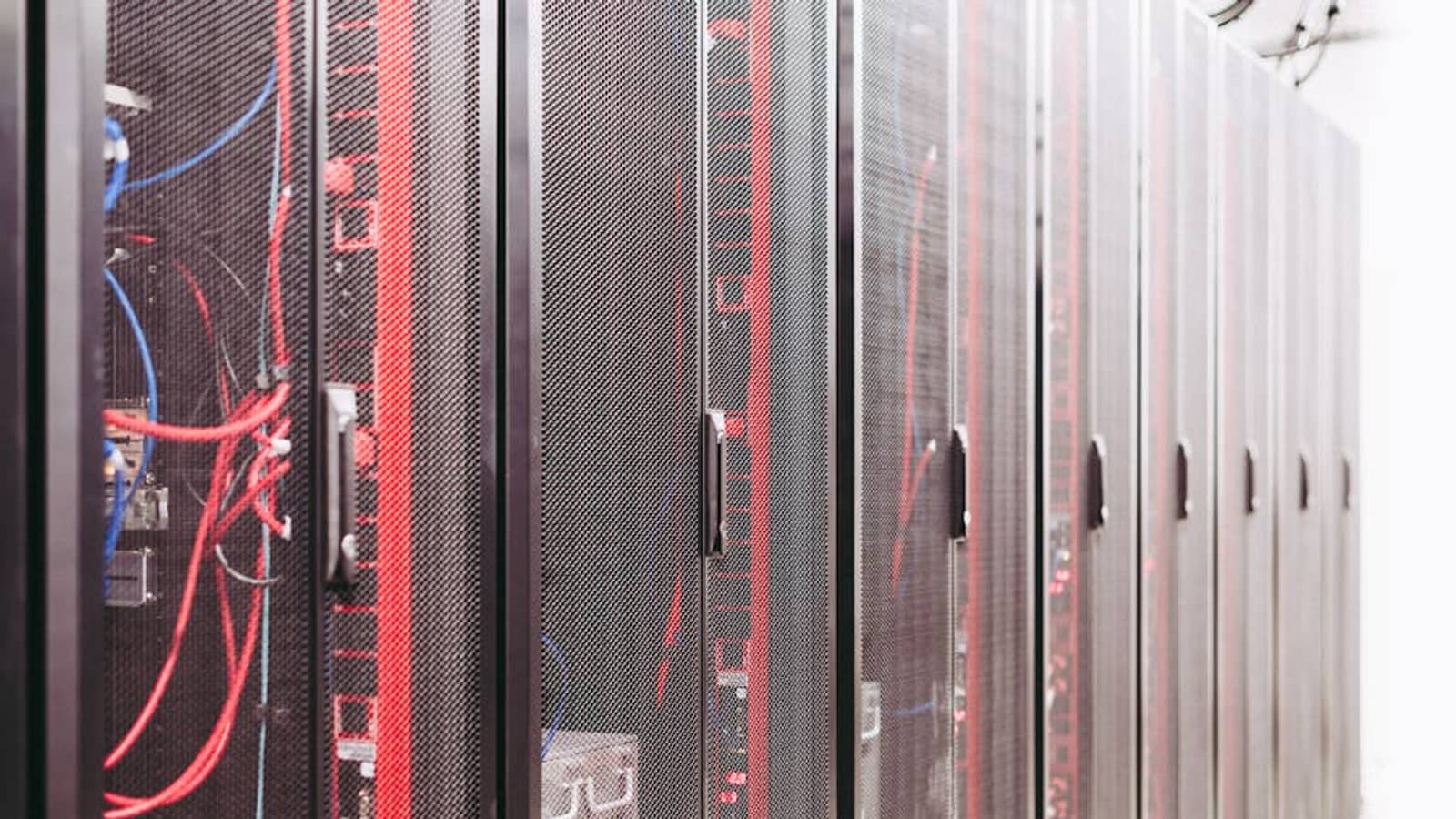
The bottom line: Arizona’s power demand keeps growing, and building the grid to serve it pushes bills up over time. You cannot stop that. But you can stop buying so much power from SRP in the first place, which is exactly what solar does.
What it means for your bill
Short answer: The SRP increase is about $5.61 more per month for an average home, and it is already on your bill. The harder part is that rate increases stack over time, and SRP rates have climbed before. Solar locks in the cost of the power your panels make, so a future increase only touches the smaller amount you still buy from the grid.
The increase already on your bill is about $5.61 more a month for an average home. That may sound small, but rate increases do not happen once. They stack. SRP rates have gone up before, and the rising-demand pressure driving them is not slowing down. Here is what power costs a home like yours today, and why solar caps it.
A home about this big in Arizona
What power costs, and what solar saves
Bigger home, more air conditioning, bigger power bill. Here is roughly what a home each size spends on power from APS today, and roughly how much it would save with its own solar.
-
Smaller home
about 1,200 sq ft
$110–$140 a month to APS now
$1,300–$1,700 a year to APS now
With your own solar, save about $1,050–$1,600 a year, on average roughly $90–$135 a month back in your pocket
-
Average home
about 1,800 sq ft
$170–$210 a month to APS now
$2,000–$2,500 a year to APS now
With your own solar, save about $1,550–$2,450 a year, on average roughly $130–$205 a month back in your pocket
-
Bigger home
about 2,800 sq ft
$270–$320 a month to APS now
$3,200–$3,800 a year to APS now
With your own solar, save about $2,400–$3,800 a year, on average roughly $200–$315 a month back in your pocket
These are rough estimates, not a quote. Your real number depends on your home, your AC, your roof, and your rate plan.
Here is why solar saves you money
It comes down to the price of one unit of power (one kilowatt-hour).
about 15.46¢ a unit
It climbs about 5% every year as APS raises rates.
about 11¢ a unit
$0 down, and the price stays the same year after year.
Your solar price is locked. APS keeps climbing. Today the gap is about 4.5¢ a unit, and every year APS goes up, you save more.
Solar locks in most of your power cost, so it stops climbing. The longer you wait, the more APS raises rates, and the more you miss out on.
How we got these: an Arizona home uses about 0.68 kilowatt-hours per square foot each month (higher than the national average because of air conditioning), at the APS average rate of 15.46 cents per kilowatt-hour, which climbs about 5% a year as rates rise. For a roughly 2,000 sq ft home that lands near the Arizona average of about 1,422 kWh and about $164 a month; summer bills run higher, often $200 to $250. The solar savings are figured the same way our savings calculator figures them: solar covers about 92% of your power at a locked rate of about 11 cents a unit with $0 down (about 7 cents if you pay cash), while APS keeps rising. The savings shown are an average per year over 25 years, so they start smaller and grow as APS climbs. These are rough estimates, not a quote. Your exact cost and savings come from the free savings review. Sources are listed on this page.
The bottom line: a bigger home pays more, and every rate increase pushes that number higher. Solar locks most of it in.
When you own a solar system, the electricity it makes costs you the same every year. An SRP increase only touches the power you still buy at night or on cloudy days, which is a much smaller number once your roof carries most of your daytime load. Pair panels with a battery and you lean on the grid even less, so the next SRP rate change barely moves your bill.
One SRP-specific note: SRP uses special rate plans for solar customers, and many are demand-based, meaning they can charge for your single biggest hour of usage, not just your total energy. That changes how a system should be sized and where a battery helps. We will walk you through your exact plan, so we do not promise a number without knowing your bill.
Want to see the shape of the numbers for your home? Estimate my savings
Where SRP provides power: East Valley cities
SRP provides power to much of the East Valley. If you live in one of these cities, the SRP rate increase on this page is your rate increase, and we design and manage solar in your area. Tap your city to see how solar looks where you live.
Not sure which utility you have? We will check when we run your free savings review. Estimate my savings Book a free review
Why utilities keep raising rates
Short answer: SRP is a public, community-owned power utility, not an investor-owned company like APS. So SRP does not raise rates to pay shareholders a guaranteed profit. SRP raises rates to cover rising costs and to build and maintain the grid, and its elected board decides when that happens.
Here is an honest distinction a lot of pages skip. APS is an investor-owned company. By law, it earns a guaranteed profit on the equipment and wires it builds, so the more it spends, the more it is allowed to charge. SRP is different.
SRP is a public, community-owned power utility. It is not run to pay shareholders, so it does not have that same guaranteed-profit motive. When SRP raises rates, it is to cover rising costs and to build and maintain the grid, the wires, poles, and equipment that keep the power on as demand grows. The decision is made by SRP’s elected board, through a public price process, not by the state and not by investors.
That does not make a rate increase painless. It still lands on your bill. But it is fair to be clear about why it happens: rising costs and a growing grid, decided by a board you can vote for, rather than a guaranteed return to shareholders.
Source: SRP Board of Directors price process, 2025. SRP residential price changes overview.
What you can do about it
Short answer: You cannot undo the SRP rate increase, but you can control how much power you buy from the utility. Rooftop solar, often with $0 down, takes a large share of your usage off the rate sheet, so future increases apply to a much smaller number. A free savings review runs your real numbers on your actual SRP plan and gives an honest answer, even if the answer is no.
The SRP increase is already on your bill, and you cannot vote it away. But you do control one big lever: how much power you buy from the utility in the first place.
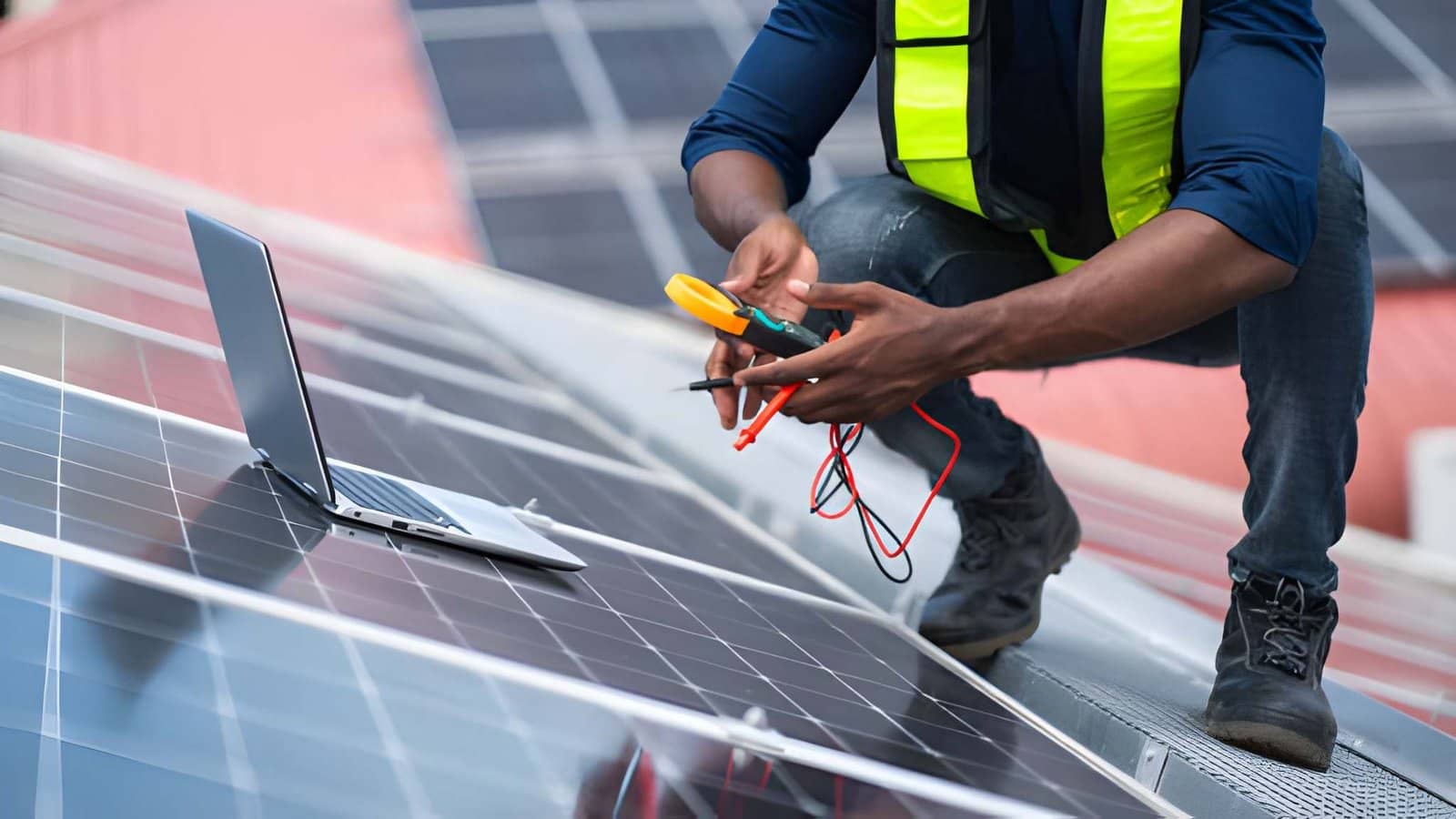
Rooftop solar, often with $0 down, takes a large share of your usage off the rate sheet. The power your panels produce is not subject to the next increase, or the one after that. Instead of being fully exposed to a rate you do not control, you fix most of your cost up front.
We are not going to oversell it. Solar does not fit every roof or every bill, and on SRP the right system design matters even more because of the demand rate plans. If your roof, shade, usage, or plan means it does not pencil out, we will tell you that to your face. The free review is exactly that: we run your real numbers, on your actual SRP bill and plan, and give you an honest answer.
SRP rate increase: common questions
Is the SRP rate increase approved?
Yes. The SRP rate increase is already approved and on bills. SRP’s elected board voted for it on February 27, 2025, and it took effect with the November 2025 billing cycle. This is not a pending request like APS, it has already happened, so it is on your bill right now.
How much did SRP raise rates?
About 2.4% overall, which is roughly $5.61 more per month for an average home using about 1,117 kWh. In total that brings SRP about $169 million a year in extra base revenue. The fixed monthly charge for single-family homes also went up. It took effect in November 2025.
Who decides SRP rates?
SRP’s own elected board of directors decides SRP rates, not the state. Unlike APS, SRP is not regulated by the Arizona Corporation Commission. SRP is a public, community-owned power utility, and its prices are set by a publicly elected board through a public price process.
Can solar protect me from SRP rate increases?
It can cap a large part of your cost. The power your panels make costs the same every year, so an SRP rate increase only applies to the electricity you still buy from the grid. Once your roof covers most of your daytime usage, a future SRP rate hike moves a much smaller number. We will run your real numbers and tell you honestly if solar does not fit your home.
Does SRP have special rules for solar?
Yes. SRP uses special rate plans for solar customers, and many of them are demand-based, which means they can charge for your single biggest hour of usage, not just your total energy. That changes how a system should be sized and where a battery helps. We will walk you through your exact SRP plan during the free review so the savings are real, not theoretical.
Sources
- SRP, electric pricing public process: overview of residential changes (SRP Board of Directors price process, 2025).
Figures reflect the SRP 2025 price change as approved by the SRP Board of Directors and in effect since November 2025. Bill-impact figures are illustrative estimates for the usage levels noted and are not a guarantee for any individual home. SRP solar rate plans vary; your exact plan is confirmed during the free review.
See what the SRP increase costs your home.
Bring a recent SRP bill. We will size a system around your actual SRP plan and tell you honestly what solar would do for it, even if the answer is no. No pressure, no hard sell.